What Is A Peptide?
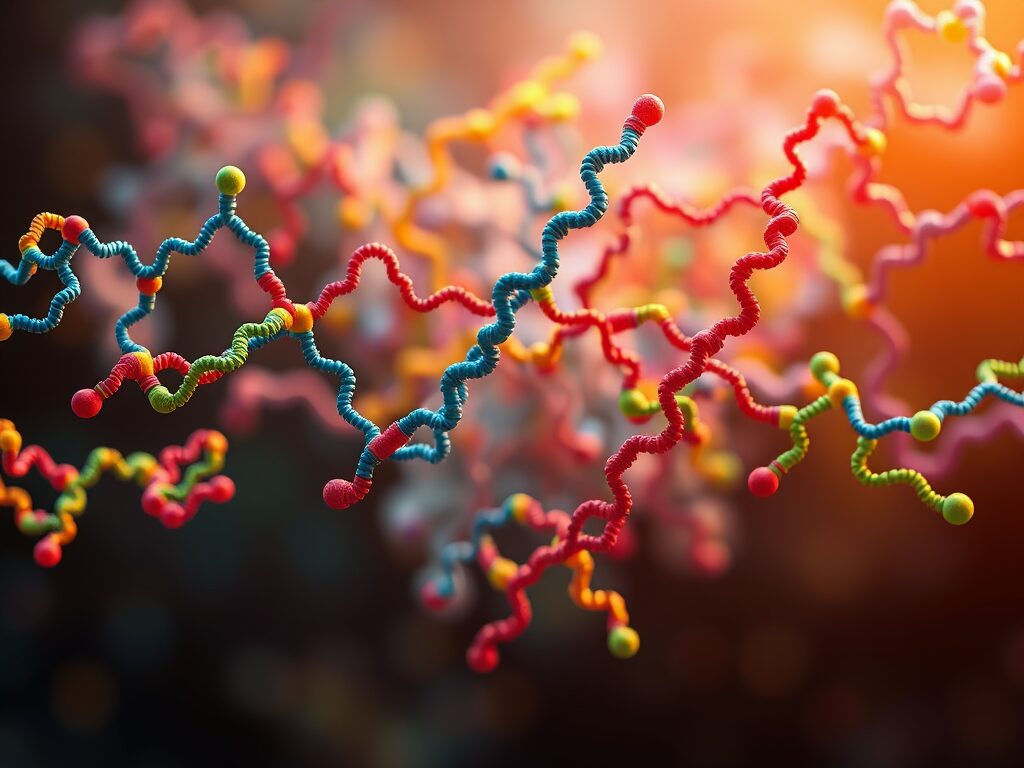
Peptides are short chains of amino acids — the same building blocks that make up proteins. Think of them as “mini-proteins” with highly specific jobs in the body.
Peptides Natural Roles in the Body
-
Hormone regulation (e.g., insulin controls blood sugar)
-
Cell signaling and communication
-
Supporting immune system function
-
Helping tissues heal and regenerate
Everyday Examples of Peptides
-
Insulin – regulates blood sugar
-
Collagen peptides – support skin, hair, and joints
-
Glutathione – powerful antioxidant that protects your cells
Why They’re Important
Because they’re smaller than proteins, peptides can act faster and more precisely. This makes them a key focus in modern research for things like muscle recovery, fat metabolism, and even anti-aging therapies.
Modern Uses & Research
-
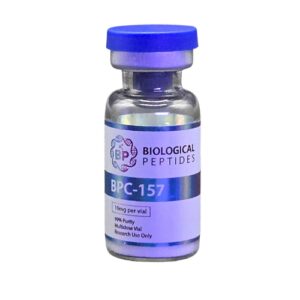
Sports & Recovery: BPC-157, TB-500
-
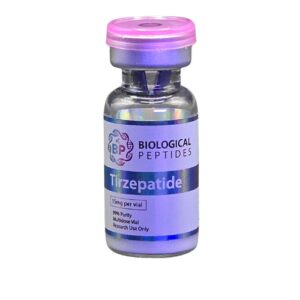
Metabolism & Weight: GLP-1 peptides like semaglutide
-
Skin & Beauty: collagen peptides for elasticity
-
Medical Research: potential treatments for inflammation, healing, and hormone support
Conclusion / Next Steps
Peptides are much more than a trend — they’re an essential part of biology with exciting potential in medicine and health. This post gives you the basics, and in upcoming articles, we’ll dive deeper into specific peptides, their benefits, and the latest research behind them.





Thank you, we will keep posting
Repudiandae voluptas omnis voluptatem velit quas aut quia
Thank you Dena
I will send you information
Error voluptatum quam dolore harum. Qui aliquid perferendis aut recusandae iusto. Exeid fuga aspernatur est dolores. Reprehenderit dolor non tenetur aut. Et facilis alias nihil nostrum et Exercitationem perspiciatis qui sit Consequatur vel ut placeat esse aut.
Velit ut voluptas magni autem in cum quidem. Fugit cupiditate velit ad. Sed vel autem itaque libero
Voluptas voluptatem soluta laboriosam dolorem explicabo ut ad molestiae. Esse eum sapiente veniam